About CutPoint Collective

A small collective of sound editors working on short-form video

CutPoint Collective writes about audio for video: music selection, voice recording and mixing for the speakers people actually use. Everything here comes from working edits, not from theory.
Why we write about audio

The picture gets the attention, the sound gets the blame

We have spent years fixing audio in other people's videos. Almost every project arrives with the same three problems: a voice recorded too far away, music chosen to cover the problem, and a mix balanced on headphones that nobody watches with.

The guides here are the fixes we apply repeatedly, written down in the order we apply them. Every recommendation has been tested on an ordinary phone speaker before it was published.

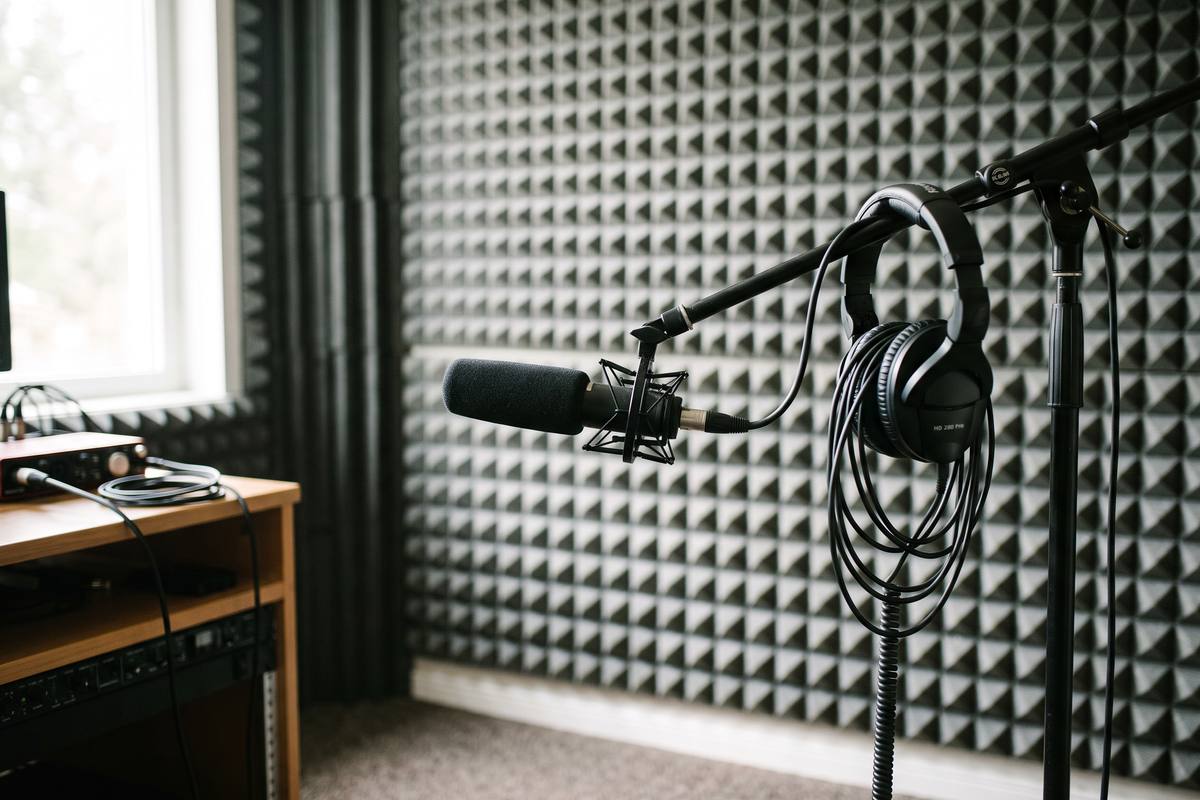
Boom microphone and headphones in a treated room

How we work

Three positions we hold about sound

They come from years of mixing for small screens and small speakers.

The voice is the priority

If the words are not clear, nothing else in the mix matters. Every other decision serves intelligibility.

Test on the smallest speaker

A phone speaker at arm's length is the reference, not a studio monitor. If it works there, it works everywhere.

Fix the source, not the symptom

Most audio problems are recording problems. Processing can improve a good recording and rarely rescues a bad one.

Method

How a guide is produced

  1. Record the problem

    We start by recording the mistake itself: the hollow room, the distant microphone, the muddy mix.

  2. Apply the fix step by step

    Each fix is applied in the order a working editor would use it, with the audible result noted at each stage.

  3. Test on real devices

    The result is played on phone speakers, laptop speakers and headphones to confirm it holds up across devices.

  4. Write the shortest useful version

    Only the steps that change the result are published. Anything that cannot be heard is left out.

Editorial desk

Who works on the guides

Guides are written by working sound editors and reviewed on real edits. Roles are credited rather than names because the material is reviewed collectively.

Sound editor

Mixing and level guides

Owns the mixing recommendations and the reference levels used across the guides.

Voice director

Voiceover and recording guides

Tests microphone placement and room treatment in ordinary homes rather than studios.

Music supervisor

Music selection guides

Advises on tempo matching, track structure and licence checks before publication.

Contact

Working on a video that sounds wrong?

Describe what you hear and how the audio was recorded. We answer every message, and the common problems usually turn into guide updates.